When Being the “Strong One” Hurts: Faith-Based Healing from Parentification and Childhood Trauma
Feb 02, 2026
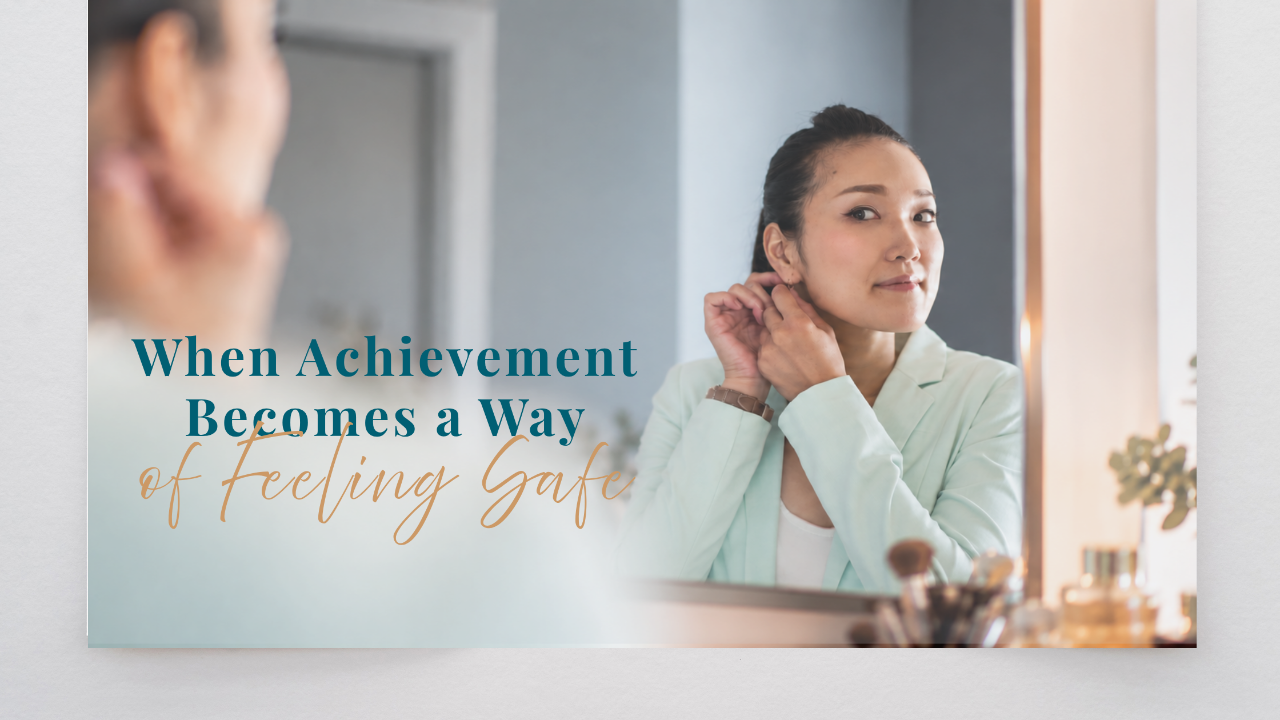
Have you ever been the strong one?
The dependable one.
The mature one.
The one who didn’t get to fall apart because everyone else already was.
Maybe you were praised for being responsible. Maybe you were called “wise beyond your years.” But underneath that strength, there may have been a child quietly learning that love meant self-sacrifice… and that their needs came last.
That’s the heart of my recent conversation on the It’s Your Story to Tell with Christian psychiatrist and coach Dr. Uejin Kim.
Together, we talk about something many high-capacity, faith-filled adults silently carry: parentification the experience of becoming emotionally responsible for others far too early.
And if you’ve ever wondered why you feel exhausted from being “the strong one”… this conversation may help you finally understand why.
When You Grow Up Too Fast
Parentification happens when a child steps into roles that were never meant to be theirs emotionally, practically, or spiritually. It can look like:
- Being the family peacemaker
- Managing a parent’s emotions
- Taking care of siblings like a second parent
- Learning to suppress your own needs to keep things stable
From the outside, these kids often look “mature.” But inside, they’re overwhelmed, anxious, and quietly grieving a childhood they never really got to have.
Dr. Kim vulnerably shares her own story of growing up emotionally responsible for others and how that shaped her identity, relationships, and mental health. What she describes is something I see constantly in the women and leaders I work with deeply capable adults who feel chronically tired, wired for responsibility, and unsure how to truly rest.
Because when your nervous system learned early on that love equals performance, rest can feel unsafe.
Why “Responsible” Adults Struggle With Boundaries
One of the most powerful parts of our conversation is this:
Highly responsible people often don’t struggle with doing more.
They struggle with allowing themselves to do less.
Parentification trains the nervous system to stay in hyper-vigilance. You become the one who anticipates needs, prevents problems, and holds everything together. Over time, that wiring shows up as:
- Anxiety when you’re not being productive
- Guilt when you set boundaries
- Perfectionism that feels spiritual, but is rooted in fear
- Burnout that no amount of sleep seems to fix it.
Dr. Kim beautifully bridges faith and neuroscience, explaining how childhood trauma imprints on the body and how healing must involve both spiritual renewal and nervous system restoration.
Because healing isn’t just about “thinking different thoughts.”
It’s about teaching your body that you are no longer the child who has to hold everything together.
Releasing What Was Never Yours to Carry
There’s a sacred moment in the episode where we talk about the grief of realizing:
I was carrying things that were never mine.
Responsibilities. Emotions. Expectations. Spiritual pressure. Family survival.
For many of us, laying those things down can feel like betrayal. But in truth, it’s obedience to the way God designed us not to be little saviors, but beloved children.
Healing begins when we give language to what happened. When we understand that our exhaustion isn’t weakness. That our over-functioning was once survival. And that God’s grace was never meant to be earned through constant strength.
Listen to Part 1
Listen to Part 1
From Survival Mode to Wholeness
If Part 1 of our conversation is about awareness and naming the wounds, Part 2 is about the path forward.
Dr. Kim shares practical and spiritual tools for healing, including:
- A framework she calls Reflect, Protect, Connect
- How somatic awareness helps release stored trauma
- What spiritual re-parenting looks like with God
- Why receiving grace is just as important as giving it
We even talk about something as simple and surprisingly profound as ice cream, and what it teaches us about experiencing God’s love instead of just understanding it.
Because you can’t pour out grace you’ve never truly received.
This Conversation Is For You If…
You’ve ever thought:
- “Why do I feel responsible for everything?”
- “Why am I so tired from being strong?”
- “Why is rest so hard for me?”
You are not broken.
You were trained to survive.
And now, you get to learn how to live.
If this stirred something in you, I want to personally invite you to watch both parts of this powerful conversation with Dr. Kim.
You’ll walk away with language for your story, validation for your experience, and practical, faith-based tools for healing.
Listen to Part 2
Listen to Part 2
A Note From My Heart
For years, I lived as the strong one. The achiever. The helper. The one who held it together while silently unraveling inside.
But God, in His kindness, began leading me into a different way — not one of striving, but of surrender. Not one of performing, but of healing. He wove together my 23 years in healthcare, my training in trauma and neuroscience, and my own story of restoration into what is now It’s Your Story to Tell.
Read about this part of my story in my book,
Read about this part of my story in my book,
Unstuck: Break Free from What’s Holding You Back and Create a Life You Love
Today, I help others come out of survival mode and into alignment — body, mind, and spirit.
And friend, if you saw yourself in this post, your healing story isn’t over. It may just be beginning.
You don’t have to be the strong one anymore.
You get to be the loved one.
I have free resources available to help you take your first step! Checkout my brand new Bible Study on Transformation as we walk together through James.
Get started today!
I have free resources available to help you take your first step! Checkout my brand new Bible Study on Transformation as we walk together through James.
Get started today!
View The Entire Collection
See all our blog posts to discover valuable insights and tools for navigating trauma and healing with guidance and support.